Debunking popular myths about gambling What you need to know
Understanding the Odds in Gambling
A common misconception in the gambling world is that players can significantly alter their odds of winning through specific strategies or systems. Many believe that using systems such as the Martingale strategy can ensure profit. However, the truth is that most gambling activities, particularly games of chance like slots or roulette, are designed to favor the house, meaning that no amount of betting strategy can overcome the inherent odds set by the games. These odds are determined by complex algorithms or rules that maintain the house edge, ensuring long-term profitability for casinos. For a deeper understanding of online options, you might consider exploring https://le-bandit-slots.com/.
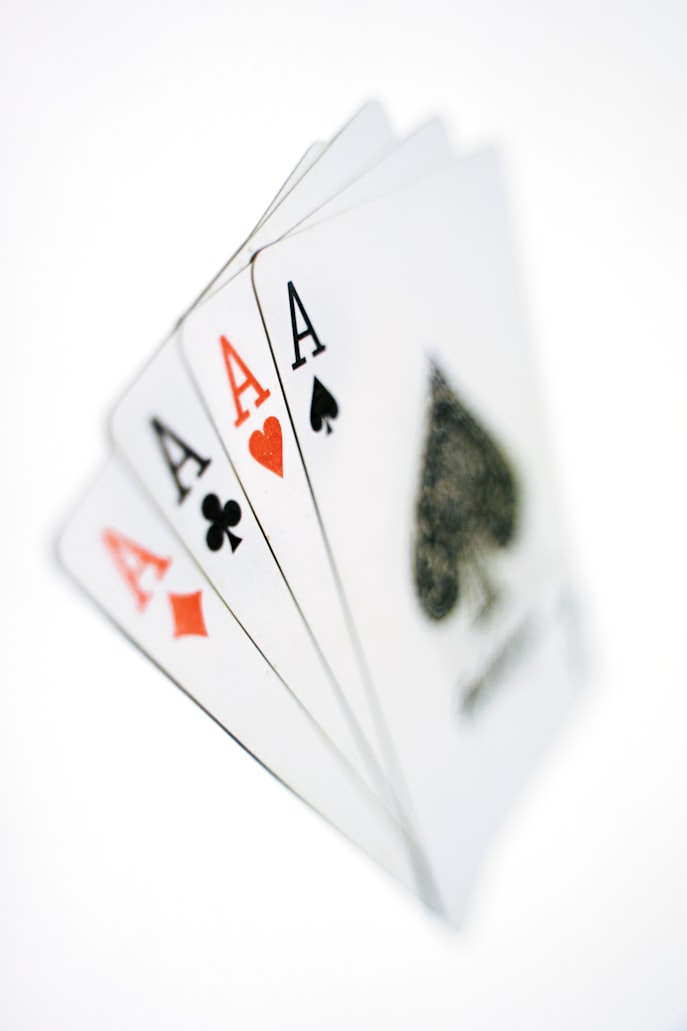
Moreover, players often misunderstand the role of luck in gambling. Luck plays a significant part, but it is important to recognize that each game is independent and random. For example, in slot machines, the outcome of one spin does not influence another. This means that even if a player has lost several spins in a row, their next spin has the same likelihood of winning or losing as the previous ones. Thus, it is misleading to think that patterns can be predicted over time.
Understanding the odds can enhance your gaming experience, making it more about enjoyment rather than solely the pursuit of profit. Knowing that the odds are designed to favor the house allows players to engage in gambling responsibly, treating it as entertainment rather than a guaranteed source of income. This perspective can lead to healthier gambling habits and more satisfying experiences overall.
Gambling Addiction Is Not a Choice
Another prevalent myth is the idea that gambling addiction is simply a matter of poor personal choice or lack of self-control. This viewpoint can stigmatize those struggling with gambling issues, failing to acknowledge the psychological components of addiction. Gambling addiction can be likened to substance abuse; it can alter brain chemistry, making it challenging for individuals to stop even when they wish to do so. It is often characterized by an inability to control the urge to gamble, leading to negative consequences in their personal and financial lives.
Additionally, gambling addiction can stem from various underlying factors, including mental health issues, stress, or past trauma. Recognizing gambling addiction as a complex condition rather than a simple choice allows for a more empathetic understanding of those affected. Treatment options, such as counseling and support groups, can help individuals find healthier ways to cope with their impulses and promote recovery.
Society must cultivate an environment that encourages open discussions about gambling addiction. This would not only help in reducing stigma but also promote awareness about responsible gambling practices. Initiatives to educate players on the risks associated with gambling can foster a community that is supportive and understanding of those dealing with addiction.
The Myth of the “Hot” and “Cold” Machines
Many players believe in the concept of “hot” and “cold” machines, asserting that certain slot machines are more likely to pay out than others. This myth is rooted in the misconception that machines have memory, suggesting that a machine that hasn’t paid out recently is “due” for a win. However, modern slot machines use random number generators (RNGs), which ensures that each spin is independent of previous outcomes. In reality, there is no machine that is due for a payout; every spin is as random as the last.
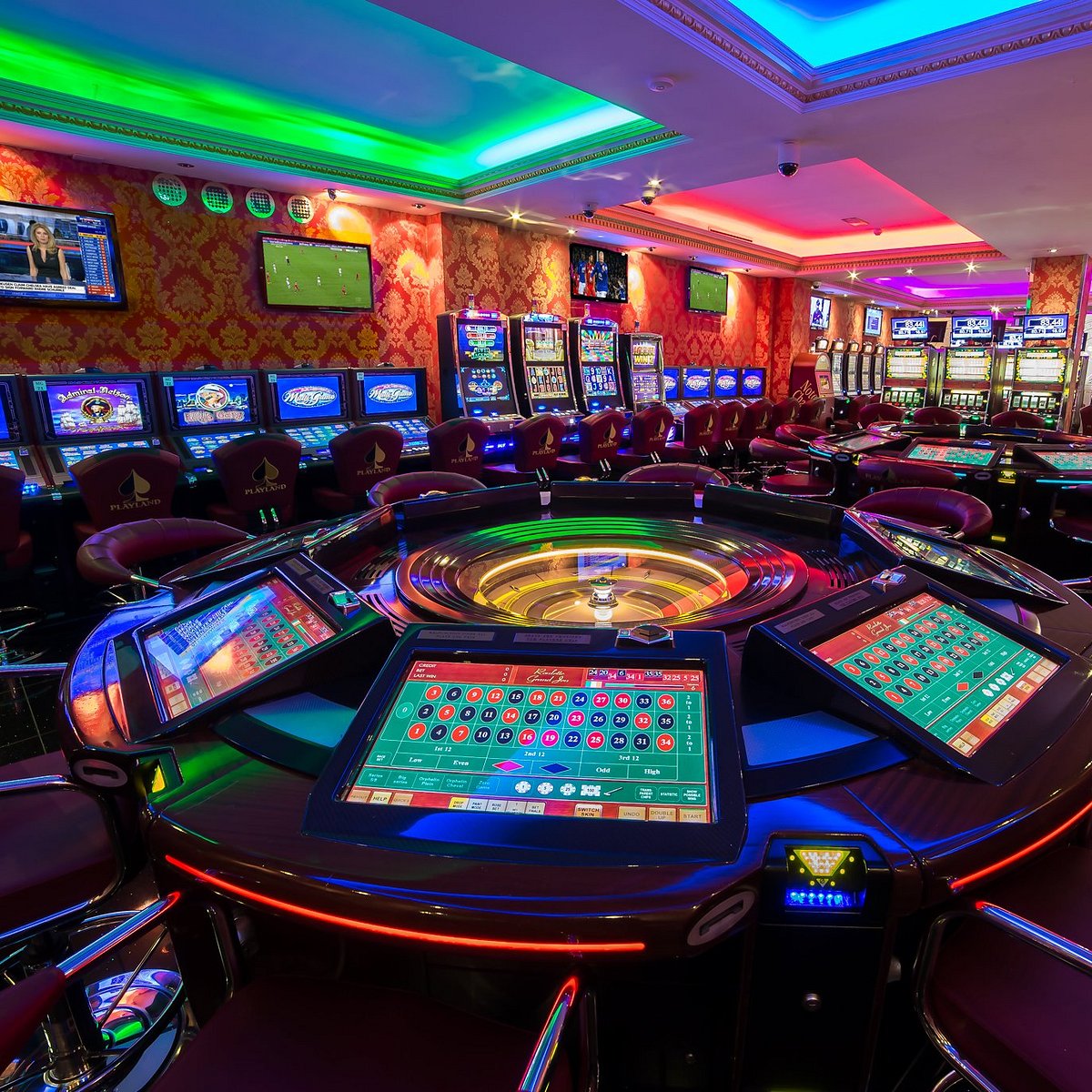
Furthermore, casinos design their slot machines to create an engaging experience, often incorporating bright lights and sounds to create the illusion of frequent wins. While it might feel like a particular machine is on a winning streak, it is essential to recognize that this is merely a psychological tactic to encourage further play. Understanding that each spin is random can help players make informed decisions rather than chase the fantasy of a “hot” machine.
Ultimately, debunking this myth can enhance player experience and reduce frustration. By realizing that outcomes are unpredictable, players can focus on the enjoyment of the game itself rather than getting caught up in the chase of perceived patterns. This understanding can lead to more responsible and enjoyable gaming experiences.
The Illusion of Control in Gambling
Many gamblers subscribe to the belief that they can exert some level of control over the outcomes of their games, particularly in games like poker or blackjack. This myth can be dangerous as it may lead to overconfidence and reckless betting. While strategic thinking and skill can influence results in certain games, chance remains a significant factor in all forms of gambling. For instance, even the best poker players cannot predict how opponents will act or which cards will be drawn next, underscoring the importance of luck.
Furthermore, the belief that players can control outcomes can lead to chasing losses, which can escalate gambling behavior and potentially lead to addiction. When players believe they can influence results, they may continue to gamble even when they encounter losses, thinking they will eventually gain back their money. This cycle can be harmful, leading to financial issues and emotional distress.
To counteract this illusion of control, players should approach gambling with a clear mindset focused on enjoyment rather than winning. Understanding that outcomes are random and influenced by chance encourages responsible play. This can help players develop healthier habits and maintain a balanced view of gambling as a form of entertainment rather than a method for financial gain.
Gambling Resources and Support
As the gambling landscape continues to evolve, various resources and support systems are available for those seeking assistance. Whether you are a casual player or someone struggling with gambling addiction, many organizations provide information, counseling, and support. These resources can empower individuals to understand the risks associated with gambling and to engage in responsible play.
Online forums, helplines, and local support groups offer safe spaces for individuals to share their experiences and seek help. These platforms provide a sense of community, allowing individuals to connect with others who share similar challenges. Education is also a critical component, with organizations promoting awareness and understanding of gambling risks, encouraging players to establish personal limits and recognize when to seek help.
The importance of community awareness cannot be overstated. A supportive environment can make a significant difference in someone’s journey toward recovery. Encouraging open dialogue about gambling and its associated myths can lead to a more informed society that prioritizes healthy gaming habits. As more players become aware of the realities of gambling, the stigma surrounding it may diminish, paving the way for a more supportive community.